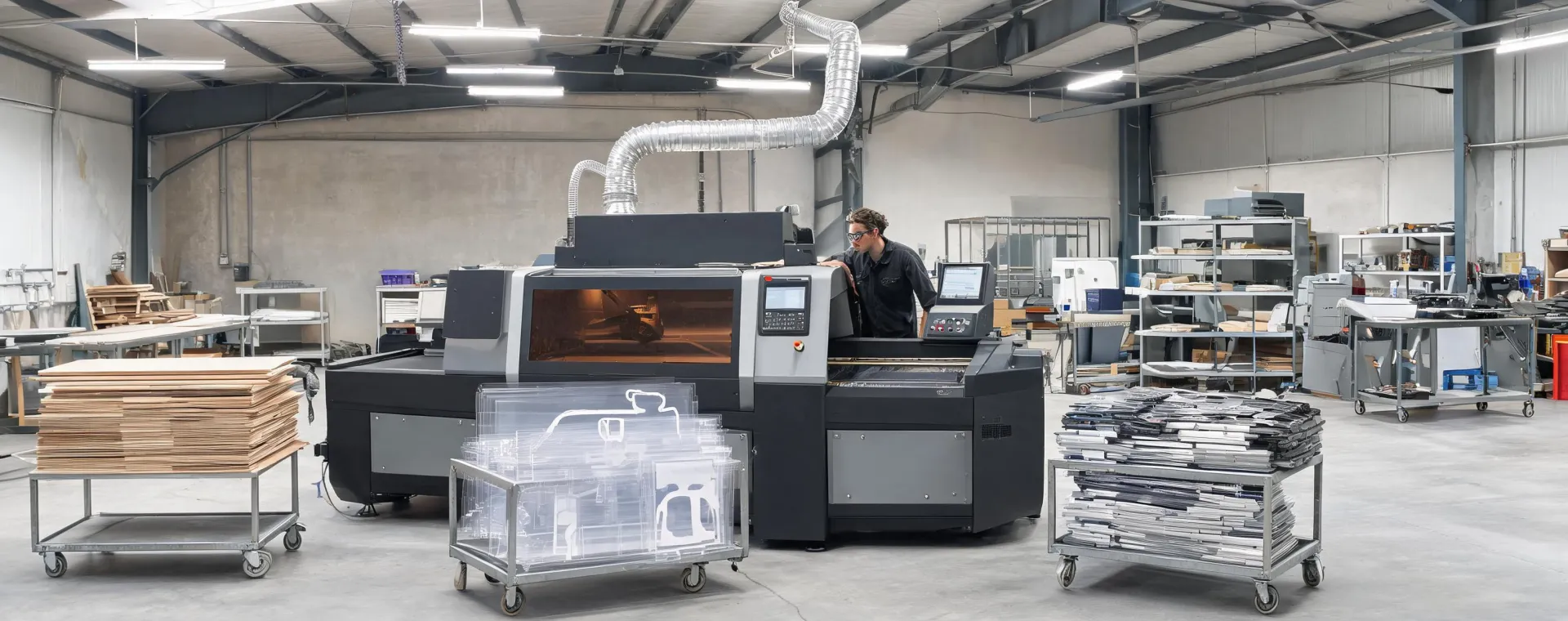
Laser engraving machine serving a mixed-material production workshop
Material applications

Epilog Laser Workflows Across Three Production Environments

Industry labels do not determine settings. Each application below starts with the substrate, coating, geometry, mark or edge requirement, fixture, ventilation, and batch logic that can be verified on a representative coupon.

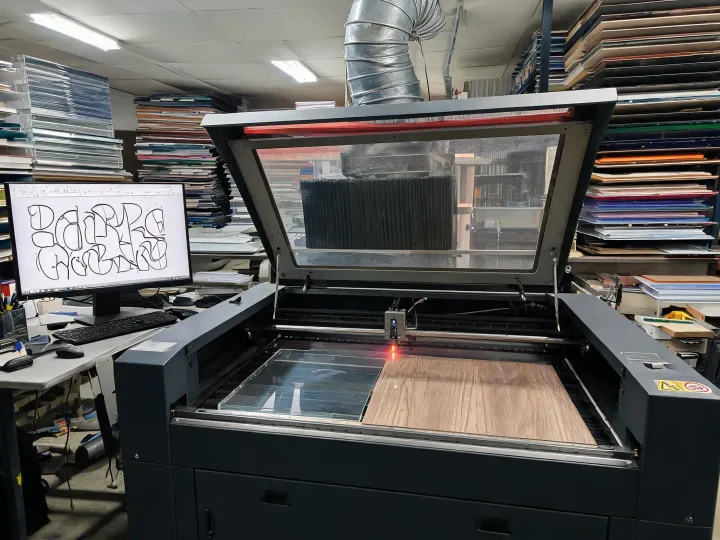
Sign shop engraving acrylic and laminate panels
Signage & wayfinding

Readable edges, consistent color fill, repeatable nesting

Background: a sign shop may combine cast acrylic, engraving laminate, wood, and painted stock in one queue. Process: separate material libraries, verify focus and extraction, and test the smallest text plus the longest vector edge. Result evidence: retain the coupon and inspect melt, flare, residue, kerf, and letter closure under the intended viewing light.

Trade-off: faster vector travel can reduce heat input, while insufficient energy may leave an incomplete cut; slower passes can improve completion but increase melt or char. The acceptable window comes from the real sheet.
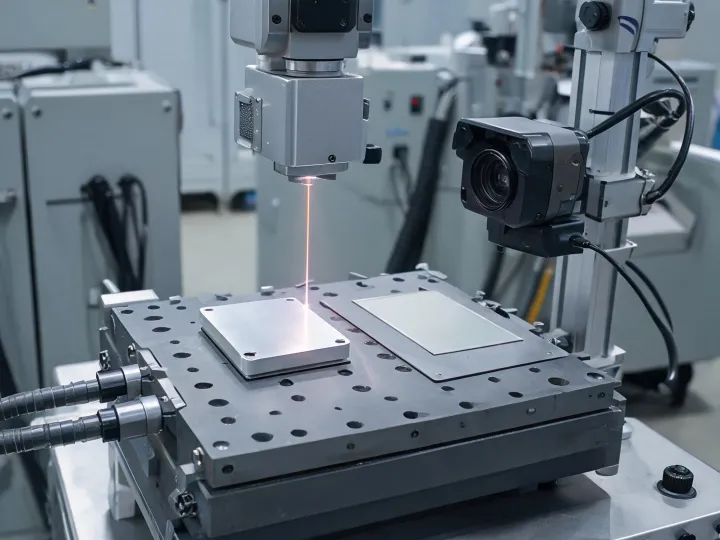
Industrial identification tags being laser marked
Product identification

Contrast, code readability, and fixture datum

Background: serial plates, control labels, and asset tags demand consistent placement and readable small data. Process: identify the coating and base metal, fixture from stable datums, include the densest code in the trial, and verify contrast with the actual scanner or inspection method. Result evidence: record mark parameters, fixture revision, lot, inspection distance, and acceptance threshold.

Trade-off: a dark mark is not automatically durable, and an aggressive setting may remove a coating or deform thin stock. Fiber and CO₂ pathways must be chosen by material response, not by visual preference alone.

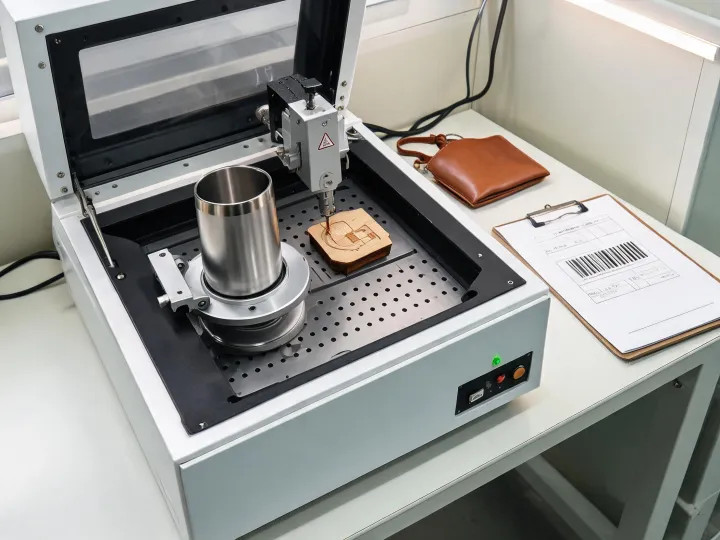
Personalization production cell engraving wood and coated drinkware
Personalization operations

Changeover control without losing first-piece quality

Background: short runs create frequent changes in artwork, material, fixture, and operator. Process: use a job traveler that locks file revision, datum, focus, rotary setup, and approved parameter range; inspect the first piece after every lot or fixture change. Result evidence: time the released job, not a blank travel test, and record rejects by cause.

Trade-off: higher resolution can support fine raster detail but increases processing time and data load. The commercial choice balances visible detail at the customer's viewing distance against measured cycle time.

A four-part application record

These are process checkpoints, not performance guarantees. A production release remains specific to the system and tested material.

01Material identity
02File revision
03Machine state
04Acceptance method
Application review

Bring the hardest feature in the job

Use the production material and include the smallest text, densest raster, longest cut, tightest corner, or rotary alignment requirement. A representative challenge makes the trial useful.